

Best fit for
- Buyers purchasing from a builder or building a custom home.
- Borrowers comparing construction-to-permanent financing with standard purchase financing.
- Households that need clarity on draws, timelines, and builder documentation.
Build
A construction financing guide for borrowers building a new home or buying from a builder.

Quick Answer
Overview
Start with the decision, not just the rate.
New construction loans require coordination between borrower, builder, lender, appraiser, and sometimes land or title parties. A strong construction review defines the project type, total budget, contract, plans, draw process, contingency, reserves, appraisal, and whether the borrower needs one-time close or separate construction and permanent financing.

What to review
The practical question is not only whether New Construction can be approved. It is whether the structure still makes sense after payment range, cash to close, program rules, property details, documentation, and your likely time horizon are reviewed together.
A strong comparison should name the reason to use New Construction, the condition that would make it a poor fit, and the file detail most likely to change the recommendation. That keeps the conversation specific instead of turning the page into a generic rate request.
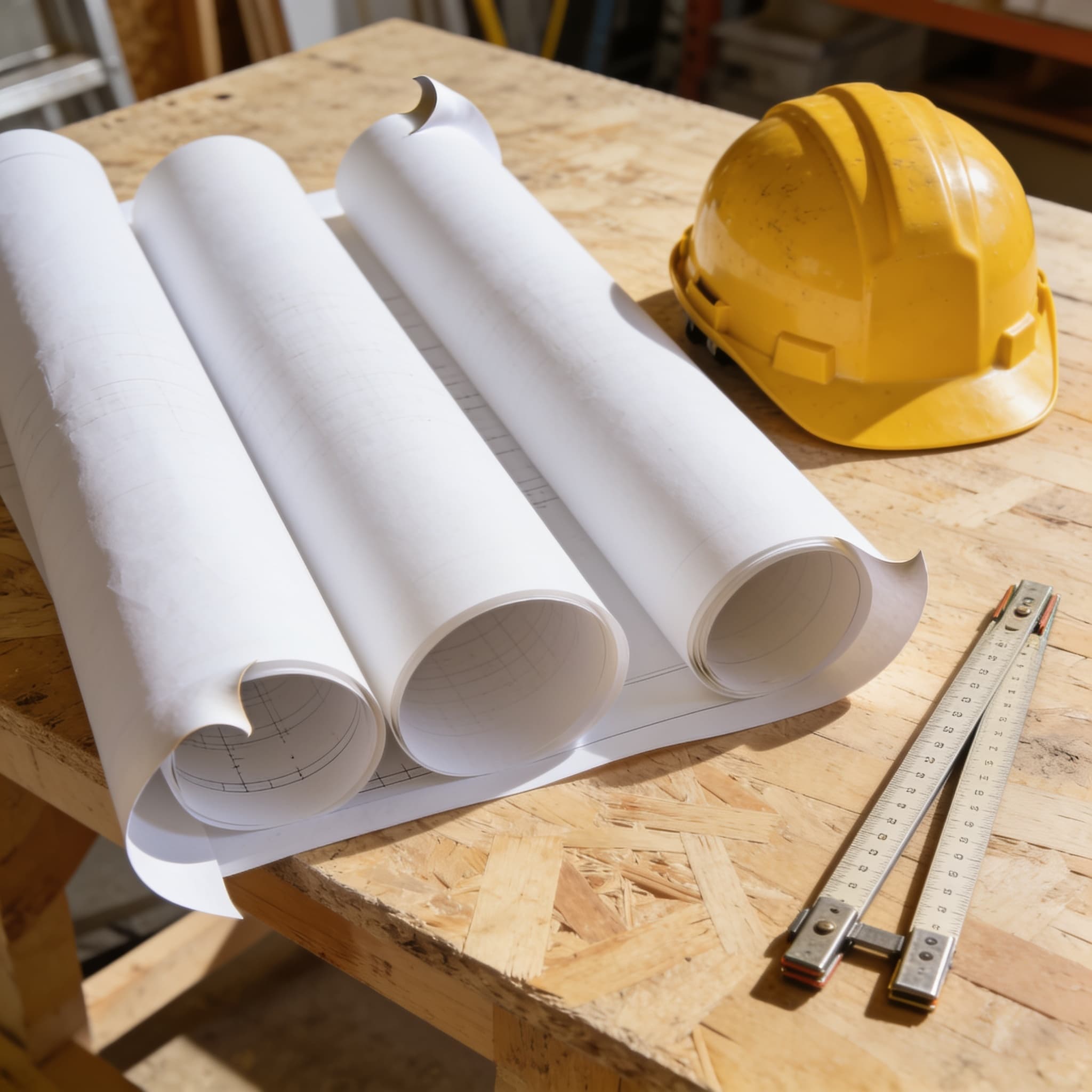
Construction financing is timeline-sensitive and document-heavy.
The file should support the story behind project type. Weak or late documentation is often where the recommendation changes.
Compare builder-completed purchase against at least one alternative so the choice is based on total fit, not a single monthly-payment snapshot.
Eligibility
The exact rules vary by program and lender, but these are the core review areas.
Review Area
What It Means
Spec home, builder contract, custom build, land plus construction, or construction-to-permanent.
How To Use It
Ask what can be verified before a property is under contract, which items are estimates, and what documentation would change the answer.
Review Area
What It Means
Builder experience, contract, licensing, insurance, and budget may be reviewed.
How To Use It
Compare the minimum requirement with the cash, reserves, and payment range you would still feel comfortable carrying after closing.
Review Area
What It Means
Down payment, contingency, reserves, and draw timing can all affect approval.
How To Use It
Use this as an early warning area. If the file depends on one narrow assumption, confirm it before appraisal, underwriting, or offer deadlines.
Review Area
What It Means
The value may be based on plans, specifications, land, and completed project assumptions.
How To Use It
Property details can change the program fit. Review occupancy, condition, value, location, and collateral rules before treating a quote as final.
Compare
Use this section to compare fit, risk, and total cost before choosing a loan path.
Option
How To Think About It
Often resembles a standard purchase loan if the home is completed before closing.
How To Use It
Use this option only if the benefit survives a side-by-side comparison of payment, cash to close, fees, timeline, and future flexibility.
Option
How To Think About It
Can combine construction and permanent financing into one broader structure.
How To Use It
Ask what would make this option worse than the alternative, then look for that risk in the documents, property, and planned time horizon.
Option
How To Think About It
Uses separate construction and permanent loans, which can add cost and rate risk.
How To Use It
Compare the first-month payment with the likely long-term cost. A structure that helps today can still be expensive if the exit plan is weak.
Option
How To Think About It
Land equity and payoff treatment can change the loan structure.
How To Use It
Keep one backup path visible. If underwriting, appraisal, or program rules shift, the file should not have to restart from zero.
Documents
Getting these ready early helps reduce avoidable delays.
Prepare this early when possible. Current documents reduce follow-up requests and make comparisons more reliable.
Tradeoffs
A good loan choice should make the downside clear before you apply.
Weather, permits, materials, inspections, or builder issues can affect completion timing and financing assumptions.
Change orders and cost overruns can create cash needs beyond the original loan structure.
Process
A practical path from planning to closing.
Clarify land, builder, plans, budget, and construction type.
Gather borrower, builder, contract, and appraisal documents.
Review draws, rate locks, inspections, and completion expectations.
Coordinate closing, draw administration, and permanent loan transition if needed.
Avoid
These are the issues that most often create confusion, delays, or avoidable cost.
This usually leads to a late program change or a payment surprise. For New Construction, confirm the assumption in writing before the file depends on it.
This creates a shallow comparison. Review rate structure, fees, cash to close, mortgage insurance or program fees, reserves, timeline, and refinance flexibility together.
This slows underwriting and weakens the recommendation. Bring the issue up during planning so the loan officer can match the file to the right path early.
Questions
Clear answers before you apply.
Not always. Buying a completed builder home may resemble a standard purchase, while custom construction or construction-to-permanent financing has additional project and draw requirements.
Possibly. The structure depends on whether you own the land, are buying it with the build, or need to pay off an existing land loan.
Cost overruns or change orders can create additional cash needs. Contingency planning should be part of the loan review.
Compare payment, cash to close, program fees, mortgage insurance or equivalent costs, property rules, documentation burden, timeline, and how long you expect to keep the loan. New Construction should win for a clear borrower-specific reason, not because one line item looks better in isolation.
Ask what must be verified up front, what could change after underwriting or appraisal, which documents are most important, and what alternative loan path would be used if the first structure stops fitting. That gives you a plan instead of a single quote.
Yes. A recommendation can change when income, assets, credit, property details, appraisal results, program limits, occupancy, pricing, or borrower goals change. The safest process is to compare options again when a major assumption changes.
Next Step
Get a personalized review of your goals, documents, payment comfort, and available loan paths before you commit to a structure.